


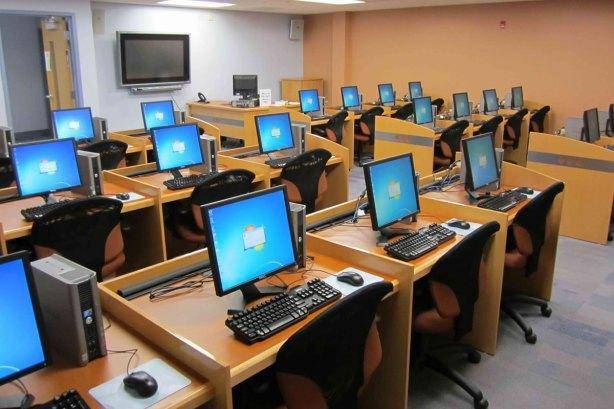
E-learning in Africa is now taking over. Education is changing, and online learning is becoming part of the way students attend lectures, receive assignments and access educational materials. What used to require physical attendance in a classroom can now be done through a laptop, smartphone or other digital device.
But is Africa fully prepared for this change?
Imagine a university student who has an online lecture scheduled for 9 a.m. The student has charged their phone, bought internet data and prepared their notes. Just as the lecturer begins explaining an important topic, the network becomes unstable. A few minutes later, the electricity goes off, and the student is left wondering how to catch up with the lesson.
This is not simply a question of whether students like online learning. It is about whether they have the facilities needed to participate in it.
Nkedugists is not against e-learning. We recognise its benefits, especially for students who cannot always attend physical classes. However, introducing online education without considering the financial situation, electricity supply and internet access of students can create more problems than it solves.
Advantages of E-Learning
Despite the challenges, e-learning has opened new opportunities for students and teachers. Some of its major advantages include:
- Flexible Learning: Students can access lessons from different locations and, depending on the course arrangement, study at a convenient time.
- Access to Learning Materials: Lecture notes, recorded lessons, educational videos and other resources can be shared through online platforms.
- Opportunity to Repeat Lessons: Students can revisit recorded lectures when they do not understand a particular topic during the first lesson.
- Saves Travel Time: Students who study remotely do not always need to travel to campus for every lecture.
- Wider Learning Opportunities: Online education allows students to access courses, training and educational resources beyond their immediate locations.
Disadvantages of E-Learning
Although online education has many benefits, its challenges cannot be ignored, particularly in African communities where access to digital facilities is still limited.
- Poor Internet Connection: Unstable networks can interrupt lectures, prevent students from submitting assignments and make online examinations difficult.
- Cost of Devices and Data: Students may need laptops, smartphones and regular internet subscriptions. These expenses can be difficult for families already struggling to pay school fees.
- Unreliable Electricity: Students who depend on electricity to charge their devices may miss lectures when power supply is interrupted.
- Limited Classroom Interaction: Some students understand lessons better when they can ask questions and receive immediate explanations from their lecturers in person.
- Distractions: Studying from home can be difficult when students have household responsibilities, noise or other distractions.
- Technical Difficulties: Students and lecturers who are unfamiliar with digital platforms may struggle to participate effectively.
Real-Life Examples of E-Learning in Africa
The challenges and opportunities of online education are not merely theoretical. Experiences from different African countries show what happens when schools introduce digital learning.
Nigeria: Edo State’s Experience During COVID-19
During the COVID-19 school closures in 2020, Edo State introduced the EdoBEST@Home programme to help pupils continue learning from home.
The programme used WhatsApp, mobile phones, digital learning materials and virtual classrooms. According to the World Bank, more than 11,000 teachers received training, while over 7,000 virtual classrooms were created.
However, the experience also revealed a practical challenge: many pupils did not own mobile devices and had to use their parents’ or older siblings’ phones. One pupil, Aisosa, explained that she sometimes needed her father to buy internet data before she could attend lessons.
This example shows that online learning can work, but students still need access to devices, internet data and support at home.
Uganda: Too Few Computers for Students
A 2026 UNICEF report on Alemere Comprehensive Secondary School in Uganda highlighted another challenge facing digital education.
The school has approximately 650 learners but only 10 desktop computers. Its internet connection and electricity supply are also unreliable, making it difficult for teachers to depend on technology for regular lessons.
This raises a simple question: how can every student benefit from computer-based learning when the available facilities are insufficient?
Côte d’Ivoire: Bringing Digital Learning to Rural Schools
Côte d’Ivoire provides an example of how these challenges can be addressed.
In Kébi village, a school previously had no functioning electricity or network infrastructure. A project supported by UNESCO and its partners introduced solar power, satellite internet connectivity and digital learning facilities.
The improvement allowed students and teachers to access educational materials that were previously unavailable to them.
These examples show that Africa does not need to reject e-learning. Rather, it needs to invest in the facilities that make online education possible.
Should E-Learning Be Fully Adopted in Africa?
E-learning should be encouraged, but its implementation should not ignore the realities facing African students.
A student who cannot afford a laptop or regular internet subscription should not be placed at a disadvantage simply because their institution has moved its lectures online. Similarly, students should not be expected to participate in scheduled online classes when electricity and network services are unreliable.
Educational institutions need to understand that students do not all have the same financial background or access to technology.
Before making online learning compulsory, governments and institutions should consider affordable internet access, electricity, digital devices and proper training for students and lecturers.
What Is the Best Way Forward?
One practical approach is blended learning, which combines traditional classroom teaching with online education.
Under this arrangement, students can attend physical lectures while also using digital platforms to access notes, recorded lessons, assignments and additional learning materials.
This approach allows institutions to enjoy the benefits of technology without completely removing the classroom environment that many students still depend on.
Governments and educational institutions should also invest in reliable internet services, electricity, affordable devices and digital skills training.
E-learning has a place in the future of African education, but its success will depend on how well it addresses the needs of the students expected to use it.
Technology should make education easier to access, not create another financial burden for students who are already struggling to afford it.
What is your view on e-learning in Africa? Should online learning replace traditional classroom teaching, or should both methods work together? Share your thoughts in the comment section.
