


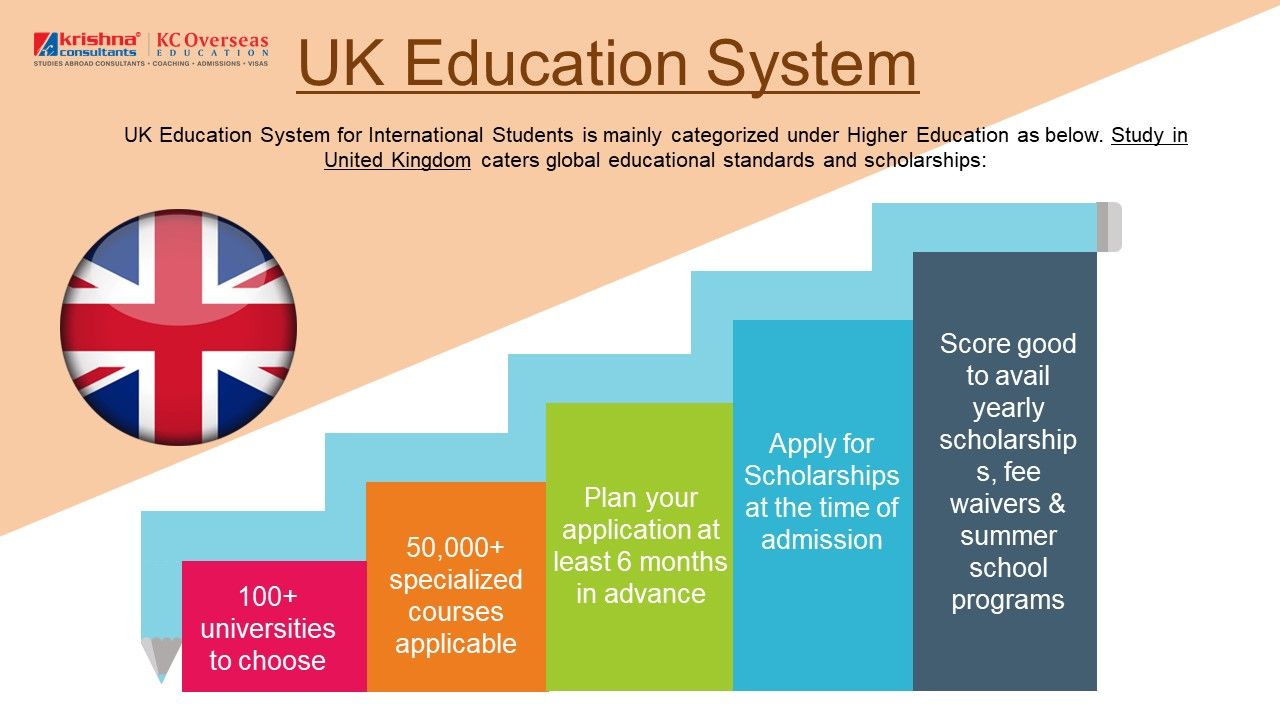
Look out for the Characteristics Of UK Education System from other countries education before you apply. The United Kingdom remains a popular destination for students who want to continue their education abroad.
Its universities offer a wide range of undergraduate and postgraduate programmes, while students can choose from different institutions, courses and study locations.
However, studying in the UK involves more than gaining admission to a university. International students need to understand how the education system works, how applications are submitted, what qualifications are recognised and what to expect in terms of tuition fees and living costs.
If you are considering studying in Britain, here are some important characteristics of the UK education system and what makes it different from other countries.
Characteristics of the UK Education System
1. A Wide Choice of Universities and Higher Education Institutions
The UK has universities and other higher education providers offering courses in areas such as medicine, engineering, law, business, education, science and the arts.
Not every higher education provider is a university. Some institutions specialise in particular subjects or provide degree-level courses through partnerships with universities.
Before applying, check the institution’s official status and confirm that the qualification it offers is recognised for your intended purpose.
For England, you can use the Office for Students Register to check the regulatory status of higher education providers.
2. Most Undergraduate Applications Are Made Through UCAS
One feature of UK university admission is the central application service known as the Universities and Colleges Admissions Service (UCAS).
Many students use UCAS to apply for full-time undergraduate courses at UK universities and colleges. Applicants can choose up to five courses in a standard undergraduate application, subject to UCAS rules.
However, UCAS is not the application route for every programme. Some institutions accept direct applications, and postgraduate applications are usually made directly to the university.
International applicants should check the application instructions for their chosen course before starting.
You can find the application guidance here: UCAS – Applying to University as an International Student.
3. University Application Deadlines Changes
UK university application deadlines depend on the course and the institution. Some competitive courses have earlier deadlines than most other undergraduate programmes. For example, applications for Oxford, Cambridge and most medicine, dentistry and veterinary courses have an earlier UCAS deadline.
For 2027 undergraduate entry, the main UCAS dates include:
- 15 October 2026: Equal consideration deadline for Oxford, Cambridge and most medicine, dentistry and veterinary courses.
- 13 January 2027: Equal consideration deadline for most other undergraduate courses.
These dates are for the 2027 application cycle. Applicants should check the UCAS website for changes, course-specific deadlines and later application options.
Official source: UCAS University Application Dates and Deadlines.
4. Tuition Fees Depend on the University, Course and Fee Status
Students studying in the UK are generally required to pay tuition fees, but the amount varies.
The cost depends on factors such as:
- The university or college.
- The course and level of study.
- Whether the student is classified as a home or international student.
- The duration of the programme.
International students should check the overseas tuition fee listed on their chosen university’s website. They should also find out whether scholarships or other financial support are available.
Do not assume that all EU students receive free tuition in Scotland. Fee status depends on the applicable eligibility rules, residence history and other circumstances.
5. Living Costs Depend on Where You Study
The amount required to live in the UK varies from one location to another. Students in London may face higher accommodation and everyday expenses than students in some smaller towns and cities.
However, costs also depend on the type of accommodation, transport arrangements and personal spending habits. Before accepting an offer, prepare a realistic budget covering:
- Accommodation and utility bills.
- Food and groceries.
- Local transport.
- Books and study materials.
- Phone and internet costs.
- Personal expenses.
Your university’s international student office may provide an estimated cost of living for its location.
6. International Students May Need a Student Visa
Many international students need a UK Student visa to study a full-time course.
Generally, applicants must have an offer from a licensed student sponsor and receive a Confirmation of Acceptance for Studies (CAS) before applying.
Depending on their circumstances, applicants may also need to provide evidence of sufficient funds, English-language ability and other supporting documents.
7. Students May Need to Meet English Language Requirements
English language ability is an important admission requirement for many UK courses. Universities set their own English-language requirements, which may vary according to the course and level of study.
Some institutions accept recognised English-language qualifications, while others may offer their own assessment arrangements. For Student visa applications, the required English level also depends on the course.
The current immigration rules generally specify CEFR level B2 for degree-level study and B1 for courses below degree level, subject to the applicable rules and exemptions.
Applicants should confirm both the university’s admission requirements and the visa requirements. Meeting one does not automatically mean the other has been satisfied.
8. Eligible International Students May Work While Studying
Some international students can work part-time while studying in the UK, but permission depends on their visa conditions, course and education provider.
For example, eligible students on full-time degree-level courses sponsored by a higher education provider with a track record of compliance can generally work up to 20 hours per week during term time.
Some eligible students studying below degree level have a 10-hour weekly limit. Other students, including those on certain part-time courses, may not be permitted to work.
Students must check the work conditions printed on their immigration permission and should not assume that every Student visa allows the same number of working hours.
9. University Accommodation Is Available, but Places Are Not Always Guaranteed
Many UK universities offer accommodation in halls of residence, particularly for new students. Halls can be a convenient option because they are often close to campus and provide opportunities to meet other students.
However, students may also choose private student accommodation, shared houses or rented flats. A place in university accommodation is not automatically guaranteed. Each institution has its own application process, eligibility rules and deadlines.
International students should check accommodation arrangements as soon as they accept an offer.
Useful guide: UCAS – Undergraduate Accommodation.
What Makes the UK Education System Different from Other Countries?
The UK offers a combination of academic and professional study routes, a wide selection of institutions and qualifications, and several application pathways.
However, one important point is that the UK does not have one identical education system across all four nations. England, Scotland, Wales and Northern Ireland have differences in their education structures and qualifications.
International students should therefore check the specific requirements of the university and the country in which it is located.
Recommended Links
You may also find these Nkedugists guides useful:
- UK Education System for International Students
- British Education System Curriculum
- Top UK Universities to Study Law
Conclusion
The UK education system offers international students several routes to further study, from undergraduate programmes to postgraduate qualifications.
Before choosing a university, take time to compare the courses, entry requirements, tuition fees and accommodation options. If you need a Student visa, make sure you also understand the immigration requirements and any restrictions attached to your permission.
Getting these details right before applying can make the transition to studying in the UK much easier.
