


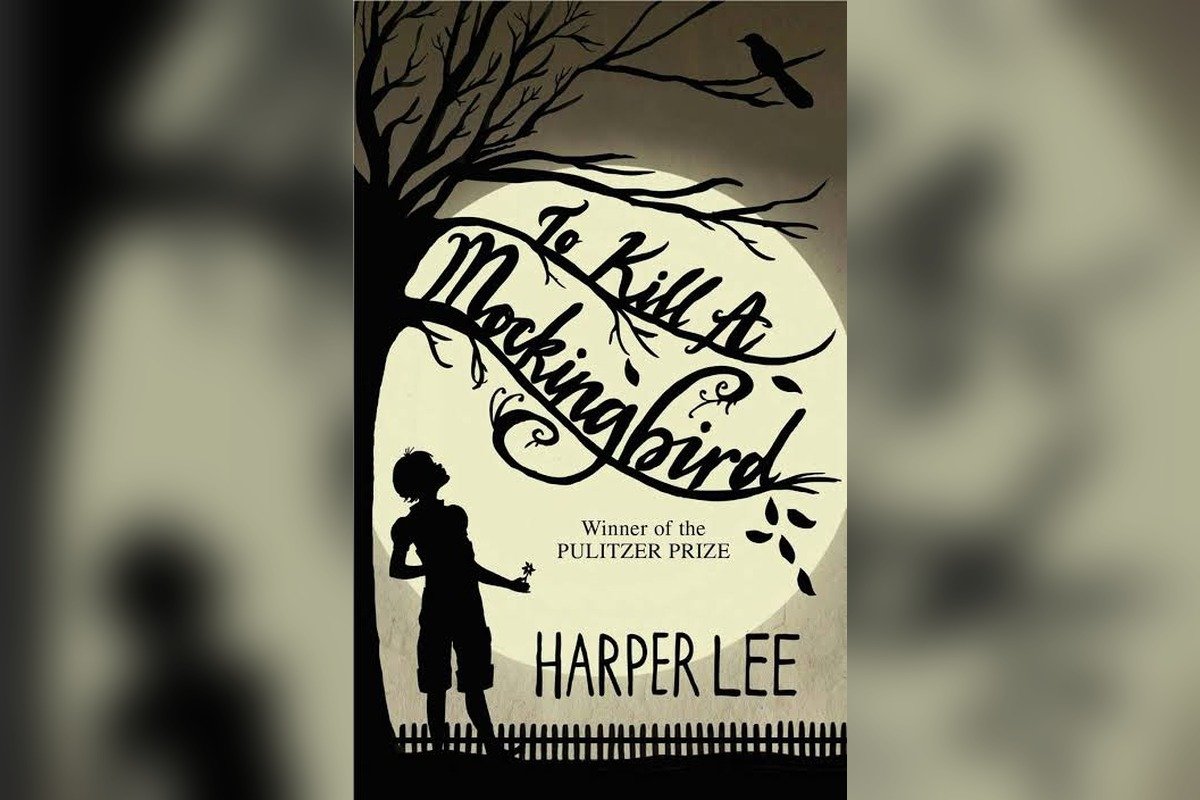
To Kill a Mockingbird by Harper Lee is a 1960 novel by the American writer Harper Lee. It is narrated by Scout Finch, a young girl growing up in the small town of Maycomb, Alabama, during the 1930s.
Her father, the lawyer Atticus Finch, defends a Black man, Tom Robinson, who is falsely accused of attacking a white woman. Through the trial, and through the children’s curiosity about their neighbour Boo Radley, the novel deals with racial injustice, courage and the importance of understanding other people.
The novel is on the harmonized list of Literature-in-English texts for WAEC and NECO for 2026–2030, as a non-African prose text. This guide gives you the author, background, setting, full plot summary, chapter-by-chapter summary, characters, themes, literary devices, practice questions and FAQs.
To Kill a Mockingbird at a Glance
| Detail | Information |
|---|---|
| Title | To Kill a Mockingbird |
| Author | Harper Lee |
| First published | 1960 |
| Award | Pulitzer Prize for Fiction, 1961 |
| Genre | Prose fiction (novel) |
| Setting | Maycomb, Alabama, United States, in the 1930s |
| Narrator | Scout (Jean Louise) Finch |
| Structure | 31 chapters in two parts |
| Exam use | WAEC and NECO non-African prose text, 2026–2030 |
About the Author of the Novel To Kill a Mockingbird: Harper Lee
Harper Lee was an American novelist born on 28 April 1926 in Monroeville, Alabama, United States. Her full name was Nelle Harper Lee. She grew up in the American South, where racial segregation and discrimination influenced everyday life.
Lee studied law at the University of Alabama but did not complete her studies. She later moved to New York, where she worked for an airline before concentrating on writing.
Her first and most famous novel, To Kill a Mockingbird, was published in 1960. It received the Pulitzer Prize for Fiction in 1961 and became one of the most widely studied American novels.
The story addresses racial injustice, moral courage, childhood, social class and the importance of understanding other people. Harper Lee died on 19 February 2016.
Background to the Novel of To Kill a Mockingbird by Harper Lee
To Kill a Mockingbird is set in the American South during the 1930s, when racial segregation and discrimination were deeply rooted in society.
The novel reflects the social conditions of that period, particularly the unequal treatment of Black Americans under a system that often denied them fair opportunities and justice. Segregation laws, often called Jim Crow laws, kept Black and white people separate in schools, churches and public places, and Black people had very little protection in the courts.
The 1930s were also the years of the Great Depression, when many families lost their income. Poverty affects almost every family in the story, including the Cunninghams and the Ewells, and it helps explain the social divisions in Maycomb.
Harper Lee presents these issues through the experiences of Scout Finch, a young girl growing up in Maycomb, Alabama. As Scout and her brother Jem encounter different people and events, they gradually discover that their community is not as fair and peaceful as it first appears.
The trial of Tom Robinson becomes the major event through which the author exposes the destructive effects of racial prejudice.
Plot Summary of To Kill a Mockingbird by Harper Lee
The novel is narrated by Jean Louise Finch, popularly called Scout. She lives in Maycomb, Alabama, with her older brother Jem and their widowed father, Atticus Finch, who is a lawyer. Their housekeeper, Calpurnia, also plays an important role in raising the children.
During their childhood, Scout and Jem become fascinated by their mysterious neighbour, Arthur Radley, popularly known as Boo Radley. The children hear frightening stories about him and spend much of their time trying to make him come outside. Their friend Dill Harris joins them during the holidays and becomes involved in their games.
Meanwhile, Atticus agrees to defend Tom Robinson, a Black man accused of assaulting Mayella Ewell, a white woman. Atticus believes Tom is innocent and takes the case seriously despite the racial prejudice in Maycomb.
As the trial approaches, Atticus and his children face insults and hostility from some members of the community. The children also witness a mob attempting to attack Tom at the county jail. Scout’s innocent conversation with Mr Cunningham helps prevent the men from carrying out their plan.
During the trial, Atticus presents evidence that challenges the accusations against Tom. Bob Ewell and his daughter Mayella give accounts of the alleged incident, while Tom explains that he had helped Mayella with household tasks because he felt sorry for her difficult situation.
The evidence strongly suggests that Tom did not commit the crime. Tom’s left arm was crippled in an accident when he was a boy, so he could not have caused the injuries Mayella described, while Bob Ewell is left-handed. Even so, the all-white jury finds Tom guilty. Tom later dies while attempting to escape from prison.
The children also learn important lessons about courage through Atticus’s defence of Tom and Jem’s experience with Mrs Dubose. They gradually discover that Boo Radley is not the frightening person described in neighbourhood stories.
Towards the end of the novel, Bob Ewell attacks Scout and Jem on their way home from a Halloween pageant. Boo Radley intervenes and saves the children. Bob Ewell dies during the struggle, and Scout finally meets Boo.
Through these experiences, Scout learns that people should not be judged by rumours, appearances or social prejudice.
Setting of the Novel on To Kill a Mockingbird by Harper Lee
The novel is set mainly in Maycomb, a fictional town in Alabama, United States, during the 1930s.
1. Maycomb
Maycomb is a small, traditional Southern town where people know one another and community reputation matters. It is also affected by poverty, racial segregation and social inequality.
The town represents the wider society in which racial prejudice influences people’s attitudes and decisions.
2. The Finch Family Home
The Finch home is where Scout and Jem receive much of their moral education from Atticus. Through conversations with their father, they learn about courage, fairness and understanding other people.
3. The Radley House
The Radley house is associated with mystery and fear because of the stories surrounding Boo Radley. It becomes an important setting in the children’s development and their eventual understanding of Boo.
4. The Courthouse
The courthouse is where Tom Robinson’s trial takes place. It represents the legal system and exposes the difference between the ideal of justice and the reality of racial discrimination.
5. The Black Community and First Purchase Church
The church introduces Scout and Jem to another side of Maycomb’s society. Their visit helps them understand the experiences and challenges of the Black community.
Significance of the Setting
The setting is important because it shows how racial segregation, poverty, social class and traditional attitudes influence the characters. Maycomb is not simply the location of the story; it represents the society Harper Lee criticises through the events of the novel.
Chapter-by-Chapter Summary of “To Kill a Mockingbird by Harper Lee”
The novel contains 31 chapters divided into two parts. The following summaries explain the major events in each chapter.
Part One
Chapter 1: The Finch Family and Boo Radley
Scout introduces her family history, her father Atticus, her brother Jem and their life in Maycomb. She also introduces their mysterious neighbour, Arthur Radley, whom the children call Boo Radley. They hear frightening stories about him and become curious about his life. Their summer friend Dill Harris arrives and becomes interested in the Radley mystery.
Chapter 2: Scout’s First Day at School
Scout begins attending school but becomes disappointed with her teacher, Miss Caroline Fisher. Miss Caroline criticises her because she can already read and write. Scout also tries to explain Walter Cunningham’s family situation to the teacher but gets into trouble.
Chapter 3: Walter Cunningham’s Visit
Jem invites Walter Cunningham to the Finch home for lunch. Scout criticises Walter’s eating habits, but Calpurnia corrects her and teaches her to respect guests. Back at school, Scout encounters Burris Ewell, whose family has a reputation for neglecting education. Atticus later advises Scout to understand other people’s situations before judging them.
Chapter 4: The Radley Mystery
Scout discovers small gifts hidden in a tree near the Radley property. She and Jem become curious about who is leaving them. The children also continue their games about Boo Radley. Scout later experiences an unusual moment when she hears laughter from the direction of the Radley house.
Chapter 5: Miss Maudie’s Explanation
Scout spends more time with Miss Maudie Atkinson, a friendly neighbour. Miss Maudie challenges some of the frightening stories about Boo Radley and explains that he was not always the strange person people describe. Meanwhile, Jem and Dill plan to communicate with Boo by leaving him a note, but Atticus discourages their interference.
Chapter 6: The Attempt to Enter the Radley Property
On Dill’s final night of the summer visit, Jem and Dill persuade Scout to join them in approaching the Radley house. Nathan Radley hears them and fires his shotgun. The children run away, and Jem loses his trousers while escaping. He later returns to retrieve them.
Chapter 7: The Tree Gifts
Jem tells Scout that his trousers were not only returned but had also been mended and folded. The children continue finding gifts in the tree. However, Nathan Radley fills the tree’s knothole with cement, claiming that the tree is dying. Jem is upset because he suspects that Boo was trying to communicate with them.
Chapter 8: Snowfall and Miss Maudie’s Fire
Maycomb experiences unusual snowfall. Scout and Jem build a snowman using snow and mud. Later, Miss Maudie’s house catches fire, and the neighbours gather to help. During the confusion, someone places a blanket around Scout without her noticing. Atticus works out that Boo Radley must have done it, and Jem then tells him the whole story of the Radley house.
Chapter 9: Atticus Agrees to Defend Tom Robinson
Scout gets into a fight with Cecil Jacobs after he insults Atticus for defending a Black man. Atticus explains why he has accepted Tom Robinson’s case and tells Scout to control her temper. During Christmas, Scout also fights her cousin Francis after he insults Atticus. Her Uncle Jack later learns about the incident.
Chapter 10: Atticus Shoots the Mad Dog
Scout and Jem initially consider Atticus too old to participate in the activities they enjoy. Their opinion changes when he shoots a rabid dog threatening the neighbourhood. Miss Maudie explains that Atticus is an excellent marksman but does not boast about his ability. The chapter also introduces the importance of protecting harmless mockingbirds.
Chapter 11: Mrs Dubose and Moral Courage
Mrs Dubose insults Atticus because he is defending Tom Robinson. Jem becomes angry and destroys her camellia bushes. As punishment, he must visit her and read to her. After her death, Atticus explains that Mrs Dubose had been struggling to overcome morphine addiction. He teaches the children that courage means fighting a difficult battle even when success is uncertain.
Part Two
Chapter 12: Calpurnia Takes the Children to Church
Jem becomes more independent as he grows older, and Scout notices changes in their relationship. During Atticus’s absence, Calpurnia takes Scout and Jem to her Black church, First Purchase African M.E. Church. The children experience the warmth of the congregation and learn more about the Black community.
Chapter 13: Aunt Alexandra Arrives
Aunt Alexandra comes to stay with the Finch family. She believes Scout should behave more like a traditional young lady and become conscious of her family background. She also places great importance on family history and social status. Scout finds it difficult to accept her aunt’s expectations.
Chapter 14: Dill Runs Away
Scout and Jem argue about their changing relationship and Aunt Alexandra’s influence. Scout discovers that Dill has run away from home and is hiding under her bed. Dill explains that he felt unwanted and unhappy. Atticus allows him to stay with the family after informing his aunt.
Chapter 15: The Jailhouse Mob
Tom Robinson is moved to the Maycomb jail, and Atticus goes there to protect him from possible violence. Scout, Jem and Dill secretly follow their father. A group of men arrives intending to attack Tom. Scout recognises Mr Cunningham and speaks to him about his son Walter. Her innocent conversation reminds him of his personal responsibilities, and the mob eventually leaves.
Chapter 16: The Trial Attracts Public Attention
Maycomb prepares for Tom Robinson’s trial, which attracts many people from different parts of the county. Scout, Jem and Dill observe the crowd and learn more about the social divisions in the town. They later attend the courthouse and sit in the balcony with members of the Black community.
Chapter 17: Bob Ewell’s Testimony
The trial begins with Sheriff Heck Tate explaining the events surrounding Mayella Ewell’s accusation. Bob Ewell gives his account of the incident and claims that Tom attacked his daughter. Atticus questions him and draws attention to inconsistencies in his testimony. The evidence also reveals that Mayella’s injuries suggest that her attacker was left-handed, and Bob Ewell turns out to be left-handed.
Chapter 18: Mayella Ewell Testifies
Mayella gives her testimony and struggles under Atticus’s questioning. Her evidence reveals her lonely and difficult home life. Atticus’s questions expose contradictions in her account, especially concerning the circumstances of the alleged attack. The chapter also reveals the difficult position Mayella occupies within her family and the wider community.
Chapter 19: Tom Robinson Gives Evidence
Tom Robinson’s left arm was crippled in an accident when he was a boy, which makes the charge against him even harder to believe. He explains that he often helped Mayella with household chores because he felt sorry for her. He denies attacking her and describes how she attempted to show him affection before her father appeared. Tom’s statement that he felt sorry for a white woman shocks the courtroom because it challenges the racial attitudes of Maycomb.
Chapter 20: Atticus’s Closing Argument
Scout and Dill meet Dolphus Raymond, a white man who lives with a Black woman and their mixed-race children. He explains that he allows people to believe certain things about him rather than face their disapproval. Back in court, Atticus delivers his closing argument, urging the jury to judge Tom according to the evidence rather than his race.
Chapter 21: The Verdict
The jury returns after considering the case and finds Tom Robinson guilty. Jem is devastated because he believed the evidence would lead to Tom’s acquittal. As Atticus leaves the courtroom, Reverend Sykes asks Scout to stand in respect for her father’s effort.
Chapter 22: The Community Responds
Atticus returns home and explains the verdict to his children. The Black community shows its appreciation by sending food to the Finch family. Miss Maudie encourages Jem and Scout by explaining that Atticus’s efforts still matter.
Chapter 23: Atticus Explains the Jury System
Atticus tells his children that Bob Ewell spat in his face and threatened to get even, but he believes Ewell only needed someone to take his anger out on. Atticus then discusses the verdict and the possibility of an appeal. He explains how prejudice influences the jury and how social divisions affect the people of Maycomb. Jem begins questioning the fairness of the town’s class system. Scout also invites Walter Cunningham to visit, despite Aunt Alexandra’s objections.
Chapter 24: The Missionary Circle
Aunt Alexandra hosts a meeting of the women’s missionary circle. The women discuss charitable work abroad while displaying prejudice towards Black people in their own community. Their behaviour exposes the hypocrisy of people who claim to be religious and compassionate but fail to practise those values. Atticus later returns with the news that Tom Robinson has been killed while attempting to escape from prison.
Chapter 25: Tom Robinson’s Death and Maycomb’s Reaction
Scout remembers seeing a harmless insect and considers the importance of not harming innocent creatures. Jem stops her from killing it. The chapter also explores Maycomb’s reaction to Tom’s death. Mr Underwood writes about the tragedy, comparing Tom’s death to the unnecessary destruction of an innocent creature.
Chapter 26: Scout Returns to School
Scout returns to school and reflects on her teacher’s discussion of Hitler’s persecution of Jewish people in Europe. She notices the contradiction between the teacher’s condemnation of discrimination abroad and her own prejudiced attitudes towards Black people. Scout also remembers Boo Radley and wonders why people continue to treat him as a frightening figure.
Chapter 27: Bob Ewell’s Unusual Behaviour
Bob Ewell loses his job and continues to show hostility towards people connected with the Robinson case. He attempts to enter Judge Taylor’s house and frightens Helen Robinson by following her. These incidents increase concern about his behaviour. Meanwhile, Maycomb prepares for the Halloween pageant.
Chapter 28: The Halloween Attack
Scout attends the school Halloween pageant dressed in a ham costume. Jem accompanies her home after the event. As they walk through the darkness, they realise that someone is following them. Bob Ewell attacks the children. Jem is injured during the struggle, but an unknown person intervenes and carries him home.
Chapter 29: Boo Radley Is Revealed
Scout explains what happened during the attack and gradually understands that the person who rescued her and Jem was Boo Radley. She describes the events to Sheriff Heck Tate and Atticus. Boo’s presence in the Finch home surprises Scout because she has spent years imagining him as a frightening figure.
Chapter 30: Atticus and Sheriff Tate Discuss the Incident
Atticus and Sheriff Heck Tate discuss Bob Ewell’s death and the circumstances surrounding the attack. Atticus initially worries that Jem may be held responsible, but Sheriff Tate explains that Boo Radley was the person who protected the children. Tate decides to protect Boo from unwanted public attention and investigation by treating Ewell’s death as an accident.
Chapter 31: Scout Understands Boo Radley
Scout finally accompanies Boo Radley to his home and stands on his porch. From that position, she imagines the neighbourhood as Boo would have seen it. She understands that he has quietly watched over and protected the children. Scout’s experience brings Atticus’s lesson about understanding other people’s perspectives to a meaningful conclusion.
Major Characters and Characterization
1. Scout Finch
Role: The narrator and central character.
Character traits: Curious, intelligent, outspoken, courageous and sometimes quick-tempered.
Analysis: Scout is the daughter of Atticus Finch and the younger sister of Jem. She narrates the story from the perspective of her childhood experiences. Through her encounters with different people, she gradually understands prejudice, injustice and human kindness. Her development is central to the novel.
2. Atticus Finch
Role: Scout and Jem’s father and a lawyer.
Character traits: Wise, patient, honest, courageous and compassionate.
Analysis: Atticus represents moral conscience and justice in Maycomb. He agrees to defend Tom Robinson despite knowing that the community is likely to oppose him. He also teaches his children to respect others and understand different perspectives.
3. Jem Finch
Role: Scout’s older brother.
Character traits: Protective, adventurous, sensitive and increasingly mature.
Analysis: Jem grows from a playful child into someone who begins to understand the injustice around him. Tom Robinson’s conviction deeply disappoints him because he believes the evidence should have produced a fair verdict.
4. Arthur “Boo” Radley
Role: The Finch family’s mysterious neighbour.
Character traits: Quiet, shy, kind and protective.
Analysis: Boo is misunderstood because the people of Maycomb judge him through rumours. Although the children initially fear him, he secretly cares for them and eventually saves their lives. He represents innocence and the danger of judging people without knowing them.
5. Tom Robinson
Role: A Black man accused of assaulting Mayella Ewell.
Character traits: Honest, helpful, hardworking and compassionate.
Analysis: Tom is a victim of racial prejudice. Although the evidence presented in court challenges the accusation against him, and his crippled left arm makes the charge even less believable, the jury finds him guilty. His death exposes the failure of justice in Maycomb.
6. Bob Ewell
Role: Mayella’s father and the main antagonist.
Character traits: Dishonest, abusive, racist, irresponsible and vindictive.
Analysis: Bob Ewell represents hatred, prejudice and social irresponsibility. He makes false accusations against Tom and later seeks revenge against Atticus and his family.
7. Mayella Ewell
Role: Bob Ewell’s daughter and the person who accuses Tom.
Character traits: Lonely, troubled, vulnerable and dishonest in her testimony.
Analysis: Mayella lives in poverty and suffers under her father’s control. Her accusation against Tom is central to the trial. Her character also shows how social prejudice and family circumstances can contribute to destructive decisions.
8. Calpurnia
Role: The Finch family’s housekeeper and caregiver.
Character traits: Responsible, disciplined, caring and protective.
Analysis: Calpurnia helps raise Scout and Jem and teaches them important lessons about respect. She also introduces them to the Black community by taking them to her church.
9. Dill Harris
Role: Scout and Jem’s childhood friend.
Character traits: Imaginative, adventurous, emotional and curious.
Analysis: Dill joins the children during the summer holidays and becomes fascinated by Boo Radley. His experiences also reveal the emotional needs of children who feel neglected or unwanted.
10. Miss Maudie Atkinson
Role: The Finch family’s friendly neighbour.
Character traits: Honest, independent, kind and understanding.
Analysis: Miss Maudie supports Atticus and helps Scout understand the values of courage and fairness. She also challenges the false stories surrounding Boo Radley.
11. Aunt Alexandra
Role: Atticus’s sister.
Character traits: Traditional, strict, class-conscious and concerned about family reputation.
Analysis: Aunt Alexandra believes Scout should behave according to traditional expectations of femininity. She also places great importance on the Finch family background and social status.
12. Mrs Dubose
Role: An elderly neighbour of the Finch family.
Character traits: Harsh, outspoken, stubborn and determined.
Analysis: Mrs Dubose frequently insults Atticus because of his decision to defend Tom. However, Atticus uses her struggle to overcome morphine addiction to teach Jem and Scout that courage is not always physical.
13. Heck Tate
Role: The sheriff of Maycomb County.
Character traits: Responsible, practical and protective.
Analysis: Heck Tate is involved in the investigation of Bob Ewell’s death. He decides to protect Boo Radley from unnecessary public attention because he believes exposing him would be unfair.
14. Dolphus Raymond
Role: A wealthy white man who lives with a Black woman and their children.
Character traits: Independent, observant and unconventional.
Analysis: Raymond understands the racial prejudice of Maycomb and allows people to believe that he is an alcoholic. His character exposes society’s unwillingness to accept people who challenge its racial expectations.
15. Walter Cunningham
Role: Scout’s schoolmate and a member of the Cunningham family.
Character traits: Poor, respectful and proud.
Analysis: Walter represents the hardworking poor people of Maycomb who maintain their dignity despite financial difficulties. His father, Mr Cunningham, is also important because Scout’s conversation with him helps prevent violence at the jail.
Themes in To Kill a Mockingbird by Harper Lee
1. Racial Prejudice and Discrimination
Racial prejudice is one of the central themes of the novel. Harper Lee shows how Black people are treated unfairly in Maycomb because of their race.
Example: Tom Robinson is found guilty despite the weaknesses in the accusations against him. The verdict demonstrates how racial prejudice can influence the administration of justice.
2. Justice and Injustice
The novel examines the difference between the ideal of justice and its practical application.
Example: Atticus presents evidence challenging the accusations against Tom, but the jury still finds him guilty. This shows that the legal system can fail when people allow prejudice to influence their decisions.
3. Courage and Moral Integrity
Harper Lee presents courage as the willingness to do what is right even when the outcome is uncertain.
Examples:
- Atticus defends Tom despite opposition from the community.
- Mrs Dubose struggles to overcome her addiction.
- Scout speaks to Mr Cunningham during the jailhouse confrontation.
4. Childhood and Growing Up
The novel follows Scout and Jem as they move from childhood innocence towards a more mature understanding of society.
Example: Jem becomes disappointed after Tom’s conviction because he discovers that evidence and fairness do not always determine the outcome of a trial.
5. Empathy and Understanding
The novel teaches that people should try to understand others before judging them.
Example: Atticus encourages Scout to consider situations from other people’s perspectives. Scout finally applies this lesson when she stands on Boo Radley’s porch.
6. Social Class and Inequality
Maycomb has a strict social hierarchy that affects how people treat one another.
Example: The Cunninghams, Ewells and Finch family occupy different positions in the town’s social structure. The treatment of Walter Cunningham also shows how poverty influences people’s experiences.
7. Good and Evil
The novel explores the coexistence of kindness and cruelty in human society.
Example: Atticus demonstrates kindness and fairness, while Bob Ewell represents hatred and destructive prejudice. Boo Radley also shows that people who appear frightening may possess good qualities.
8. Gender Roles and Expectations
The novel examines the expectations placed on women and girls in Maycomb.
Example: Aunt Alexandra wants Scout to behave like a traditional young lady, while Scout prefers activities that do not conform to her aunt’s expectations.
9. Hypocrisy and Religious Prejudice
Harper Lee criticises people who claim to be morally upright but fail to practise the values they profess.
Example: During the missionary circle, some women discuss helping people in Africa while expressing prejudice against Black people in their own community.
Literary Devices and Techniques
1. First-Person Narration
The story is narrated by Scout Finch, who recounts events from her childhood.
Example: Scout describes her experiences with Jem, Atticus, Boo Radley and the people of Maycomb.
Effect: This allows readers to experience the events through a child’s perspective while observing her gradual understanding of adult society.
2. Symbolism
Symbolism occurs when an object, person or event represents a deeper meaning.
Example: The mockingbird represents innocence and harmlessness. Atticus teaches the children that mockingbirds should not be harmed because they do no damage.
Effect: The symbol connects to innocent characters such as Tom Robinson and Boo Radley, who are harmed or threatened by the actions of others.
3. Irony
Irony occurs when there is a difference between what is expected and what actually happens.
Example: The women at Aunt Alexandra’s missionary circle discuss kindness and religious responsibility while some of them express prejudice towards Black people.
Effect: This exposes the contradiction between their public moral beliefs and their behaviour.
4. Foreshadowing
Foreshadowing occurs when an early event or detail gives an indication of something that may happen later.
Example: Bob Ewell’s threats against Atticus after the trial prepare readers for his later attack on Scout and Jem.
Effect: It builds suspense and prepares readers for the danger that develops towards the end of the novel.
5. Flashback (Retrospective Narration)
A flashback occurs when a narrator moves back to earlier events. In this novel, the adult Scout looks back on her childhood, so the whole story is told as a memory.
Example: Scout begins the novel by referring to Jem’s broken arm and then returns to the childhood events that led to the incident.
Effect: It creates a framework for the story and allows the narrator to explain how the events developed.
6. Contrast
Contrast occurs when the author places opposing people, ideas or situations together to highlight their differences.
Example: Atticus’s honesty and compassion contrast with Bob Ewell’s dishonesty and hostility.
Effect: It highlights the moral differences between the characters and strengthens the novel’s criticism of prejudice.
7. Suspense
Suspense is the technique of creating uncertainty about what may happen next.
Example: The children’s curiosity about Boo Radley and the mysterious attack on Scout and Jem create suspense.
Effect: It maintains readers’ interest and encourages them to continue reading.
8. Foil Characters
A foil is a character whose qualities contrast with those of another character, helping to highlight the second character’s qualities.
Example: Atticus and Bob Ewell serve as contrasting figures. Atticus represents responsibility and fairness, while Bob Ewell represents prejudice and irresponsibility.
Effect: Their differences help readers understand the moral conflict in the novel.
9. Imagery
Imagery is the use of descriptive language that appeals to the senses.
Example: Harper Lee’s descriptions of Maycomb’s hot weather, dusty streets and quiet neighbourhood create a vivid picture of the town.
Effect: It helps readers imagine the setting and understand the atmosphere of the story.
10. Allusion
An allusion is a reference to a historical, religious, literary or cultural subject.
Example: In chapter 26, Scout’s teacher talks about Hitler’s persecution of Jewish people in Europe. This refers to real events in Nazi Germany.
Effect: The reference makes readers notice the teacher’s hypocrisy, because she condemns prejudice abroad while accepting it in Maycomb.
Lessons from the Novel “To Kill a Mockingbird by Harper Lee”
- People should not be judged by rumours, appearance or social background.
- Courage means standing up for what is right even when others disagree.
- Racial discrimination destroys lives and weakens justice.
- Children should be taught to respect people from different backgrounds.
- A person’s social position does not determine their moral worth.
- People should try to understand others before passing judgement.
- Justice requires honesty, fairness and the willingness to examine evidence.
- Kindness can come from people whom society misunderstands.
WAEC/NECO-Style Practice Questions
These practice questions on To Kill a Mockingbird by Harper Lee were written for revision in the style of WAEC and NECO. They are not past questions.
Objective Questions
1. Who narrates the novel To Kill a Mockingbird?
A. Jem Finch
B. Dill Harris
C. Atticus Finch
D. Scout Finch
2. Where is the novel mainly set?
A. Maycomb, Alabama
B. New York
C. London
D. Atlanta
3. Who is Atticus Finch’s daughter?
A. Mayella
B. Calpurnia
C. Scout
D. Alexandra
4. What is the name of the mysterious neighbour whom the children are curious about?
A. Bob Ewell
B. Arthur Radley
C. Walter Cunningham
D. Heck Tate
5. Who is Tom Robinson accused of assaulting?
A. Miss Maudie
B. Aunt Alexandra
C. Helen Robinson
D. Mayella Ewell
6. Who takes Scout and Jem to First Purchase Church?
A. Calpurnia
B. Miss Maudie
C. Aunt Alexandra
D. Mrs Dubose
7. What lesson does Atticus teach through Mrs Dubose’s struggle?
A. Wealth is important
B. Education is unnecessary
C. Courage is not always physical
D. Social class determines success
8. Who leaves gifts for the children in the tree near the Radley house?
A. Nathan Radley
B. Boo Radley
C. Bob Ewell
D. Dill Harris
9. Who helps prevent the mob from attacking Tom Robinson at the jail?
A. Mayella
B. Mrs Dubose
C. Aunt Alexandra
D. Scout
10. What is the main reason Tom Robinson is convicted?
A. Racial prejudice
B. Lack of witnesses
C. His refusal to testify
D. His confession
11. Who is the father of Mayella Ewell?
A. Atticus Finch
B. Heck Tate
C. Bob Ewell
D. Dolphus Raymond
12. Who saves Scout and Jem from Bob Ewell?
A. Atticus
B. Boo Radley
C. Dill
D. Tom Robinson
13. What does the mockingbird symbolise?
A. Wealth and power
B. Social class
C. Revenge
D. Innocence and harmlessness
14. What is the name of the Finch family’s housekeeper?
A. Calpurnia
B. Helen
C. Miss Caroline
D. Mayella
15. Who is the sheriff of Maycomb County?
A. Bob Ewell
B. Heck Tate
C. Walter Cunningham
D. Dolphus Raymond
Objective Answers
1. D
2. A
3. C
4. B
5. D
6. A
7. C
8. B
9. D
10. A
11. C
12. B
13. D
14. A
15. B
Essay Questions on To Kill a Mockingbird by Harper Lee and Suggested Answer Points
1. Examine the character of Atticus Finch in the novel.
Suggested answer points:
- Atticus is Scout and Jem’s father and a respected lawyer.
- He is honest, patient and compassionate.
- He defends Tom Robinson despite opposition from the community.
- He teaches his children the importance of empathy and self-control.
- His actions demonstrate moral courage and commitment to justice.
2. Discuss the theme of racial prejudice in the novel.
Suggested answer points:
- Maycomb is a society affected by racial segregation.
- Tom Robinson is accused by Mayella Ewell.
- Atticus presents evidence challenging the accusation.
- The jury finds Tom guilty despite the weaknesses in the case.
- Tom’s death demonstrates the destructive effects of racial discrimination.
3. Explain the significance of Boo Radley in the novel.
Suggested answer points:
- Boo is initially presented as a mysterious and frightening neighbour.
- The children develop false ideas about him from rumours.
- He secretly leaves gifts for Scout and Jem.
- He protects Scout during Miss Maudie’s house fire.
- He eventually saves Scout and Jem from Bob Ewell.
- His character teaches the importance of empathy and avoiding unfair judgement.
4. Discuss the significance of the title To Kill a Mockingbird.
Suggested answer points:
- The mockingbird represents innocence and harmlessness.
- Atticus teaches his children that harming a harmless creature is wrong.
- Tom Robinson is associated with the symbol because he is an innocent person destroyed by prejudice.
- Boo Radley is also connected to the symbol because he is misunderstood and deserves protection.
- The title reinforces the importance of kindness and protecting innocent people.
5. How does Harper Lee present the theme of courage?
Suggested answer points:
- Atticus demonstrates courage by defending Tom Robinson.
- Mrs Dubose demonstrates courage through her struggle against addiction.
- Scout shows courage when she faces the jailhouse mob.
- Jem demonstrates courage through his attempts to protect Scout.
- The novel presents courage as moral strength, not merely physical bravery.
6. Examine Scout’s development throughout the novel.
Suggested answer points:
- Scout begins as a curious and sometimes quick-tempered child.
- Her experiences at school introduce her to social differences.
- Atticus teaches her to understand other people’s perspectives.
- The trial exposes her to racial prejudice and injustice.
- Her final experience with Boo Radley shows her increased maturity and empathy.
Frequently Asked Questions about To Kill a Mockingbird by Harper Lee
Who wrote To Kill a Mockingbird?
Harper Lee wrote To Kill a Mockingbird, which was first published in 1960.
Is To Kill a Mockingbird on the WAEC and NECO syllabus for 2026–2030?
Yes. It appears on the harmonized list of Literature-in-English texts for 2026–2030 as a non-African prose text. WAEC publishes the list of selected texts on its Nigeria website: WAEC list of selected texts for 2026–2030. Confirm the text list in your school’s current syllabus.
Who is the main character in the novel?
Scout Finch is the central character and narrator of the novel.
Who is the father of Scout and Jem?
Atticus Finch is their father.
Who is Boo Radley?
Boo Radley, whose real name is Arthur Radley, is the Finch family’s mysterious neighbour who eventually saves Scout and Jem.
Why does Atticus defend Tom Robinson?
Atticus believes Tom deserves a fair defence and that his professional and moral responsibilities require him to stand against an unjust accusation.
What happens to Tom Robinson?
Tom is found guilty and later dies while attempting to escape from prison.
What does the mockingbird represent?
The mockingbird represents innocence, kindness and harmlessness.
How many chapters are in To Kill a Mockingbird?
The novel contains 31 chapters divided into two parts.
What is the main theme of the novel?
Racial prejudice and injustice are central themes, alongside courage, empathy, childhood development and social inequality.
What is the significance of the ending?
The ending shows Scout’s growing maturity. She finally understands Boo Radley and learns the importance of seeing the world from another person’s perspective.
Conclusion on To Kill a Mockingbird by Harper Lee
To Kill a Mockingbird is a novel about childhood, racial injustice, courage and the importance of understanding other people. Through Scout’s experiences, Harper Lee exposes the prejudice within Maycomb and shows how unfair attitudes can destroy innocent lives.
For WAEC and NECO candidates, understanding the relationship between the characters, the trial of Tom Robinson, the symbolism of the mockingbird and Scout’s personal development is important when studying the novel.
Join the Nkedugists WhatsApp Channel to get updates as they are announced.
